


ISO 9001:2015 Certified
Global Gasket Supplier —
Heavy-Duty Sealing for Industrial Operations
KAXITE supplies ISO-certified spiral wound, PTFE, and metallic gaskets to the oil & gas, chemical, and power sectors across 50+ countries. With 4.5M annual output and full OEM/ODM capabilities.
100 Units
Entry-Level Order Volume
7-10 Days
Rapid Prototyping Service
EXW / FOB / CIF
Global Freight Options
Custom
Engineered-to-Order Solutions
🏭
Full-Scale Production Hub
6,000 m² integrated facility with automated cutting, die-forming, and high-speed braiding lines.
🧪
Material Certification Lab
Comprehensive testing for creep relaxation, sealability, and tensile strength. Certified reports with every order.
🌍
Multi-Region Export Network
Established supply channels across Europe, North America, Australia, and Southeast Asia.
🛢️
Petroleum & Natural Gas
Spiral wound, ring joint, and kammprofile gaskets engineered for refineries, subsea pipelines, and offshore drilling platforms. Built for extreme pressure and high-temperature service.
View Solutions →
🧪
Chemical & Pharmaceutical
PTFE, expanded graphite, and non-asbestos gaskets designed for aggressive media, high-temperature reactors, and sanitary processing environments with strict purity requirements.
View Solutions →
⚡
Energy & Utilities
High-temperature sealing solutions for steam turbines, HRSG boilers, and exhaust systems. Reliable performance in continuous operation up to 650°C.
View Solutions →
🔧
Custom Engineering & OEM
Tailored gasket fabrication, braided packing, and compression sheets manufactured to your precise drawings. Over 30 years of custom production experience.
Explore Capabilities →
✓ ISO 9001:2015 ✓ CE Marked ✓ API 607 Compliant ✓ NACE MR0175 ✓ BS EN 1514
Frequently Asked Questions
Everything you need to know about ordering sealing solutions from KAXITE
Q: What order volume do you require for custom gasket production?
A: We offer flexible production runs starting at 100 units for standard sizes. For custom-engineered gaskets with specialty materials, we can accommodate orders as low as 50 pieces with our rapid prototyping service.
Q: How quickly can you deliver prototype gaskets?
A: Our rapid prototyping service delivers custom gasket samples in 7-10 working days, depending on material availability and design specifications. Rush options are available for urgent project needs.
Q: What quality documentation is provided with each order?
A: Every shipment includes comprehensive material test reports covering compression, creep relaxation, and sealability. Our in-house laboratory ensures full material traceability and compliance with your specifications.
Q: What international shipping options are available?
A: We ship globally with flexible freight options including EXW Ningbo, FOB, and CIF. Our experienced logistics team handles customs clearance and provides real-time tracking for all international shipments.
Get tailored sealing solutions and price list within 24 hours
Gaskets
KAXITE manufactures industrial gaskets including spiral wound, ring joint, kammprofile, PTFE, and non-asbestos types. Used for flange sealing in oil & gas, chemical, and power generation applications. Custom sizes and materials available.
Braided Packing
KAXITE supplies braided packing made from PTFE, graphite, aramid, and carbon fibers. Used for valve stem and pump shaft sealing in high-temperature and high-pressure industrial environments. Available in various braid styles and sizes.
Compression Sheets
Compression sheets are high-performance gasket materials manufactured from flexible graphite, PTFE, rubber, and non-asbestos fibers. Used for cutting custom gaskets in industrial flange sealing applications.
Sealing Materials
KAXITE supplies raw sealing materials including expanded graphite yarn, PTFE tape, flexible graphite foil, and non-asbestos fiber sheets. These materials are used for manufacturing custom gaskets, braided packing, and compression sheet fabrication in industrial sealing applications.
Featured Products


ABout US
Ningbo Kaxite Sealing Materials Co., Ltd. is based in Ningbo, Zhejiang Province, China. Kaxite is one of the biggest sealing and heat preservation products manufacturer in China. Kaxite supply the overall solution of Metal Gaskets, Non-metallic Gaskets, Braided Packings, Compressed Gasket Sheets. To assure create more valve for customers from all over the world.
✓ 4.5M Annual Capacity ✓ 50+ Export Countries ✓ ISO 9001:2015

News
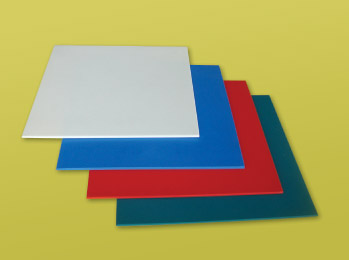
Are compression sheets suitable for all types of mattresses?
This article examines the compatibility of compression sheets with various mattress types.
Read More

What maintenance procedures are recommended for extending the life of braided packing?
This article outlines essential maintenance practices for maximizing the longevity and performance of braided packing in industrial sealing applications.
Read More
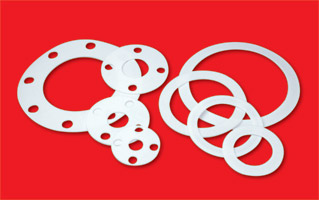
How do you properly install and torque a gasket to prevent leaks?
A guide on correctly installing and tightening gaskets to ensure a leak-free seal.
Read More
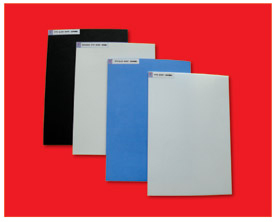
How are custom PTFE parts manufactured?
Custom PTFE parts are typically manufactured through processes such as compression molding, CNC machining, and extrusion, depending on the part geometry, tolerances, and production volume.
Read More
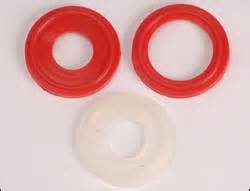
How do you install a Tri-Clover gasket?
Learn the correct steps for installing a Tri-Clover gasket, including proper alignment, seating, and clamp tightening to ensure a leak-free sanitary connection.
Read More
What chemicals are compatible with PTFE hose?
PTFE hose offers excellent compatibility with nearly all chemicals, including strong acids, bases, solvents, and fuels, thanks to its inert nature. Only a few substances, such as molten alkali metals and certain fluorinating agents, can degrade it under extreme conditions.
Read More


